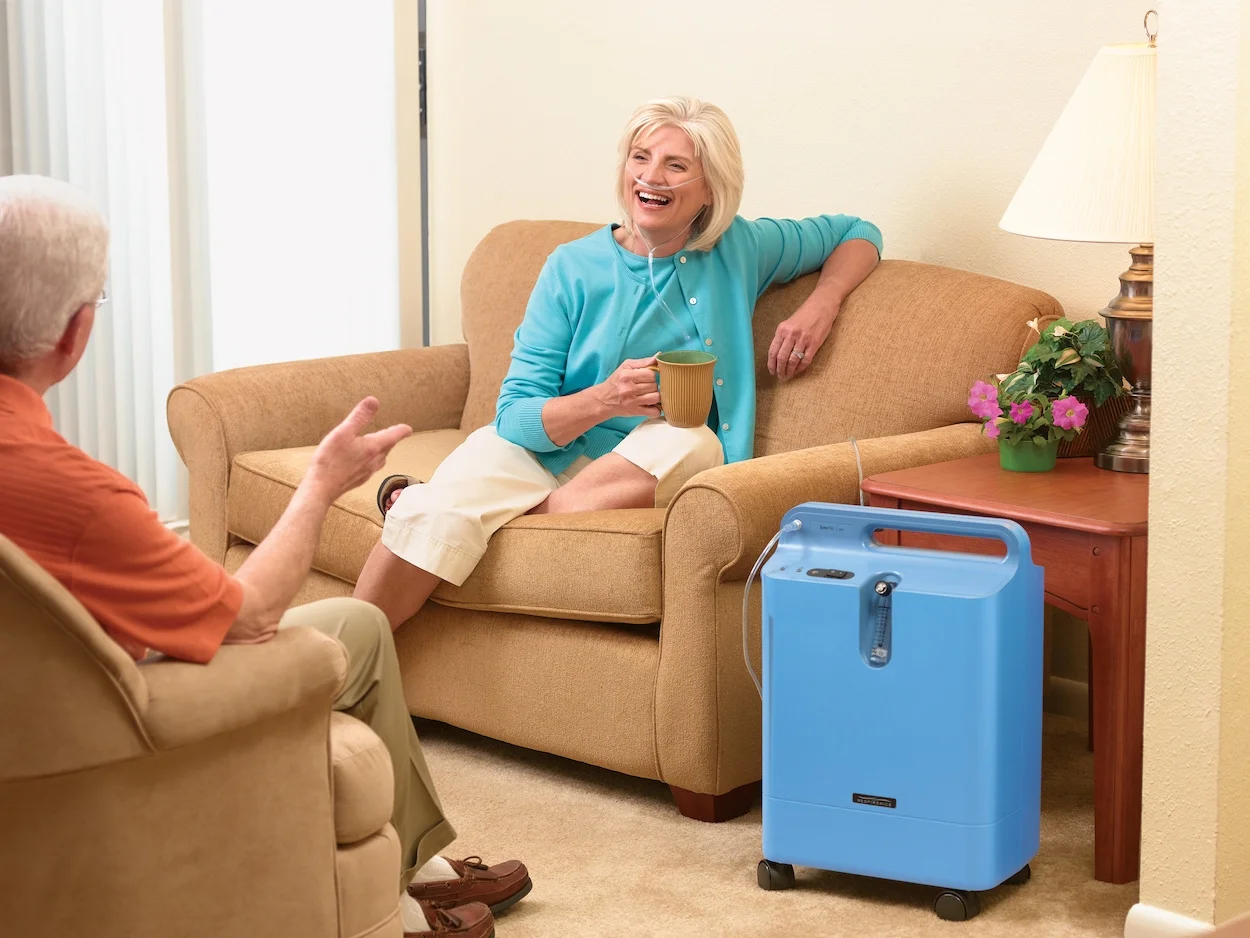
Choosing home oxygen in Australia often comes down to three things: noise, weight, and reliability. This revisit looks at how the Philips EverFlo fits those needs today, and what Australians should check before hiring or buying.
For anyone searching Philips Everflo Oxygen Concentrator Quiet Lightweight, Revisited, the key takeaway is simple: it remains a practical, low-fuss option for many at-home users, but suitability still depends on flow needs, servicing, and where it will be used.
What is the Philips EverFlo designed to do in an Australian home setup?
It is designed to deliver continuous-flow oxygen for people prescribed long-term oxygen therapy at home. In Australian households, it commonly sits in a lounge or bedroom and runs for long periods, so steady output and manageable day-to-day upkeep matter most.
In Philips Everflo Oxygen Concentrator Quiet Lightweight, Revisited, its design intent is still the same: dependable stationary oxygen with fewer extras to complicate ownership.
How quiet is it in real use, and does that matter for night-time?
It is generally regarded as a quieter style of home concentrator compared with older, bulkier machines. That matters in Australian homes where people often sleep with the unit running nearby, or share a wall with family members.
For Philips Everflo Oxygen Concentrator Quiet Lightweight, Revisited, the practical point is placement: even a quieter concentrator benefits from sensible positioning, good airflow, and keeping it off echo-prone corners or cramped spaces.
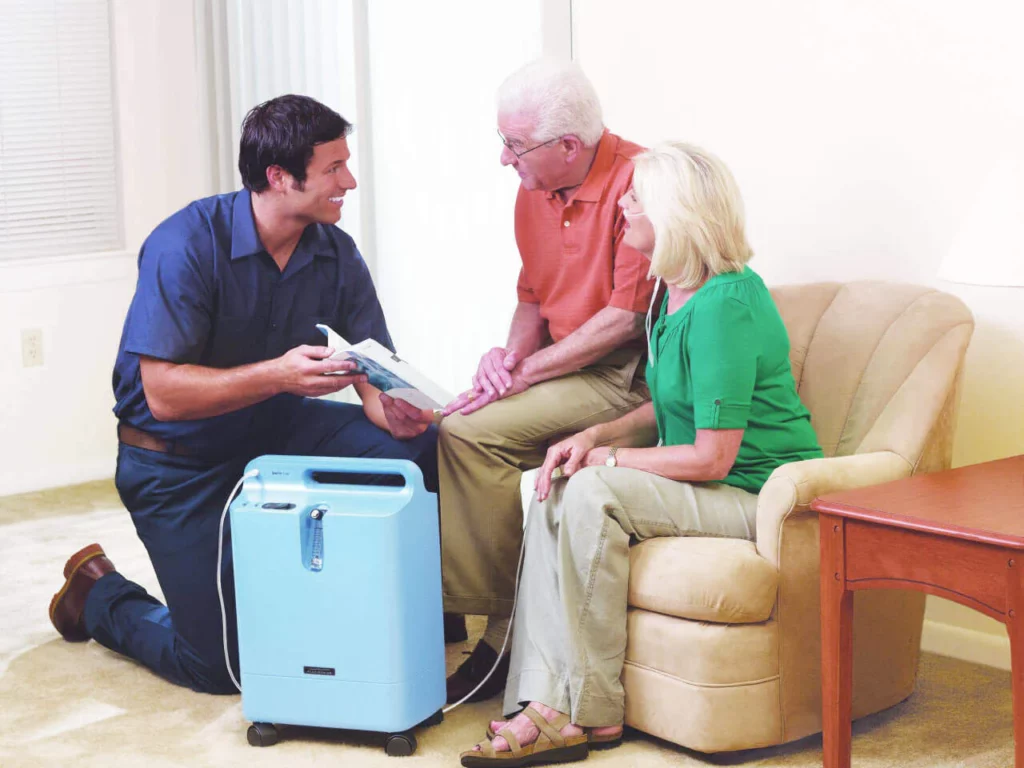
How lightweight is “lightweight” when they need to move it around the house?
It is lighter than many traditional home concentrators, but it is not a travel unit. In practice, “lightweight” here means they can reposition it between rooms more easily, especially if the home has flat flooring and wide hallways.
In Philips Everflo Oxygen Concentrator Quiet Lightweight, Revisited, the realistic expectation is simple: it supports room-to-room living, but stairs, tight doorways, and clutter still make any concentrator harder to shift.
Who is it most suitable for in Australia?
It is usually best suited to people prescribed continuous-flow oxygen who spend most of their time at home. That includes many Australians managing COPD or other chronic respiratory conditions under a clinician’s direction.
With Philips Everflo Oxygen Concentrator Quiet Lightweight, Revisited, the most important filter is still prescription fit: the right unit is the one that matches the required flow rate and hours of use, not the one with the best marketing.
What flow settings and oxygen delivery expectations should they confirm?
They should confirm the prescribed litres per minute (LPM), whether oxygen is needed continuously or only at certain times, and how their clinician wants oxygen saturation monitored. A concentrator can be excellent, but only if it meets the required oxygen output across the intended settings.
In Philips Everflo Oxygen Concentrator Quiet Lightweight, Revisited, the advice is to treat flow suitability as non-negotiable. If needs change, they should re-check the plan with their GP or respiratory specialist.
What is day-to-day maintenance like for Australian users?
Day-to-day maintenance is usually straightforward: keep the exterior clean, ensure air intake areas stay clear of dust, and follow the schedule for filters and checks. Many Australian homes deal with fine dust, pet hair, or coastal air, so keeping vents unobstructed is a practical priority.
For Philips Everflo Oxygen Concentrator Quiet Lightweight, Revisited, the main message is that simple routines prevent most issues. If the unit runs hotter or louder than usual, it is often a sign it needs cleaning, better clearance, or a professional service.
How often should it be serviced, and what should Australians ask suppliers?
They should ask how servicing is handled, what turnaround times look like, and whether a loan unit is available if repairs are needed. Australia’s distances matter here, since regional and remote users may rely on courier arrangements or local partners.
In Philips Everflo Oxygen Concentrator Quiet Lightweight, Revisited, the smartest question is not just price. It is whether the supplier can support them quickly if the unit alarms, underperforms, or needs parts.
Read more at: Why the Philips EverFlo Is a Top Choice for Oxygen Therapy at Home

What should they know about power use and backup planning in Australia?
A home concentrator needs reliable mains power, so users should plan for power interruptions. In Australia, storms, bushfire-related outages, and planned works can all affect continuity, especially outside major metro areas.
In Philips Everflo Oxygen Concentrator Quiet Lightweight, Revisited, backup is part of safe use: they should ask their oxygen provider about cylinders for emergencies, understand local outage risks, and keep contact numbers accessible.
How does it compare with portable oxygen options for getting out and about?
A home concentrator is built for stationary use, while portable oxygen concentrators and cylinders support trips to appointments, shopping, or visiting family. Many Australians use a combination, with the home unit doing the heavy lifting and a portable solution covering time outside.
For Philips Everflo Oxygen Concentrator Quiet Lightweight, Revisited, the comparison is simple: this is not a substitute for a portable system if they need oxygen away from home for extended periods.
What are the key safety and placement rules in Australian homes?
They should keep it in a well-ventilated area, leave clear space around air intakes, and keep it away from heat sources. Oxygen increases fire risk, so “no smoking” rules matter, and so does keeping the unit away from open flames, gas cooktops, and candles.
In Philips Everflo Oxygen Concentrator Quiet Lightweight, Revisited, safety comes down to habits: tidy tubing runs to reduce trip hazards, avoid power-board overloading, and follow the supplier’s guidance on where the unit can safely sit.
What are the most common buyer or hirer mistakes Australians make?
They often underestimate how much space and airflow a concentrator needs, or they choose based on “quiet” claims rather than prescription requirements. Another common issue is forgetting to plan for outages, especially in regional areas where restoration can take longer.
For Philips Everflo Oxygen Concentrator Quiet Lightweight, Revisited, the avoidable mistake is skipping the supplier questions. Servicing, backup options, and support responsiveness usually matter more than small differences in specifications.
Is it still good value in Australia, and when does it make sense to hire instead?
It can still be good value when it matches long-term needs and the support network is strong. Hiring can make more sense when oxygen is needed temporarily, when they want service included, or when they are trialling oxygen therapy before committing.
In Philips Everflo Oxygen Concentrator Quiet Lightweight, Revisited, the value decision is best made with a simple checklist: expected duration of use, servicing terms, backup plan, and whether a portable solution is also required.
What should they check before committing to this model today?
They should check prescription fit, supplier support, warranty or hire inclusions, noise tolerance in the intended room, and how they will handle power outages. If they live in a flat, they should also consider where the unit will sit to minimise disturbance to others and keep airflow clear.
For Philips Everflo Oxygen Concentrator Quiet Lightweight, Revisited, the final check is practical: the “best” unit is the one they can live with every day in an Australian home, with reliable support when something goes wrong.
FAQs (Frequently Asked Questions)
What is the primary purpose of the Philips EverFlo Oxygen Concentrator in Australian homes?
The Philips EverFlo Oxygen Concentrator is designed to deliver continuous-flow oxygen for people prescribed long-term oxygen therapy at home. It provides dependable stationary oxygen with straightforward operation, making it suitable for Australian households where steady output and manageable upkeep are essential.
How quiet is the Philips EverFlo during regular use, especially at night?
The Philips EverFlo is generally quieter than older, bulkier home concentrators, which is important for Australian homes where the unit may run nearby during sleep or share walls with family members. However, proper placement—such as avoiding echo-prone corners and ensuring good airflow—is crucial to maintain a quiet environment.
Is the Philips EverFlo Oxygen Concentrator truly lightweight for moving around the house?
While lighter than many traditional home concentrators, the Philips EverFlo is not a travel unit. Its ‘lightweight’ design allows users to reposition it between rooms more easily on flat floors with wide hallways. However, moving it across stairs, tight doorways, or cluttered spaces can still be challenging.
Who in Australia is best suited to use the Philips EverFlo Oxygen Concentrator?
It is most suitable for Australians prescribed continuous-flow oxygen who spend most of their time at home, such as individuals managing COPD or other chronic respiratory conditions under medical guidance. The key factor is matching the unit’s flow rate capabilities with the user’s prescribed oxygen needs rather than marketing appeal.
See Also : Oxygen supplement for aged care
What maintenance routines should Australian users follow for the Philips EverFlo?
Day-to-day maintenance involves keeping the exterior clean, ensuring air intake areas are free from dust and obstructions like pet hair or coastal debris, and adhering to scheduled filter replacements and checks. Simple routines help prevent issues; unusual heat or noise often indicates a need for cleaning or professional servicing.
How should Australians plan for power outages when using the Philips EverFlo at home?
Since the concentrator requires reliable mains power, Australians should prepare for possible interruptions caused by storms, bushfires, or planned outages. Backup planning includes consulting their oxygen provider about emergency oxygen cylinders, understanding local outage risks, and keeping emergency contact numbers accessible to ensure continuous oxygen therapy.

Leave a Reply