Early diagnosis matters because untreated sleep apnoea is linked with higher risks of high blood pressure, heart disease, stroke, type 2 diabetes and accidents caused by tiredness. The good news is that testing is usually straightforward, and many people feel better quickly once treatment starts.
What is sleep apnoea, and why does it happen?
If you’re considering a sleep apnea test Hobart clinics provide, it helps to understand the condition first. Sleep apnoea is a sleep disorder where breathing repeatedly stops or becomes very shallow during sleep. It occurs when the airway narrows or collapses (obstructive sleep apnoea) or when the brain’s breathing signals temporarily pause (central sleep apnoea).
In practice, most people diagnosed after a sleep apnea test in Hobart have obstructive sleep apnoea. It is often influenced by airway anatomy, weight, alcohol use, nasal blockage, ageing, or sleeping on the back. Each breathing pause can lower oxygen levels and trigger brief awakenings, even if the person does not consciously remember them.
Which signs suggest they might need a sleep apnoea test in Hobart?
They may need testing if they snore loudly, choke or gasp in their sleep, or wake unrefreshed despite a full night in bed. Daytime sleepiness, morning headaches, dry mouth, poor concentration, irritability, and reduced libido can also be clues.
Partners often notice the pattern first, such as loud snoring followed by silence and a sudden snort. Anyone with these symptoms, especially with high blood pressure or heart issues, should consider speaking with a GP about a sleep apnoea test in Hobart.
Why does early diagnosis matter so much?
Early diagnosis matters because sleep apnoea affects more than sleep. Repeated drops in oxygen and fragmented sleep can strain the cardiovascular system, worsen metabolic health, and increase inflammation.
It also raises safety risks. If they regularly feel sleepy while driving, operating machinery, or even at their desk, the condition may already be impacting daily functioning. Finding out early helps them reduce risk sooner and avoid years of “normalising” constant tiredness.
What types of sleep apnoea tests are available in Hobart?
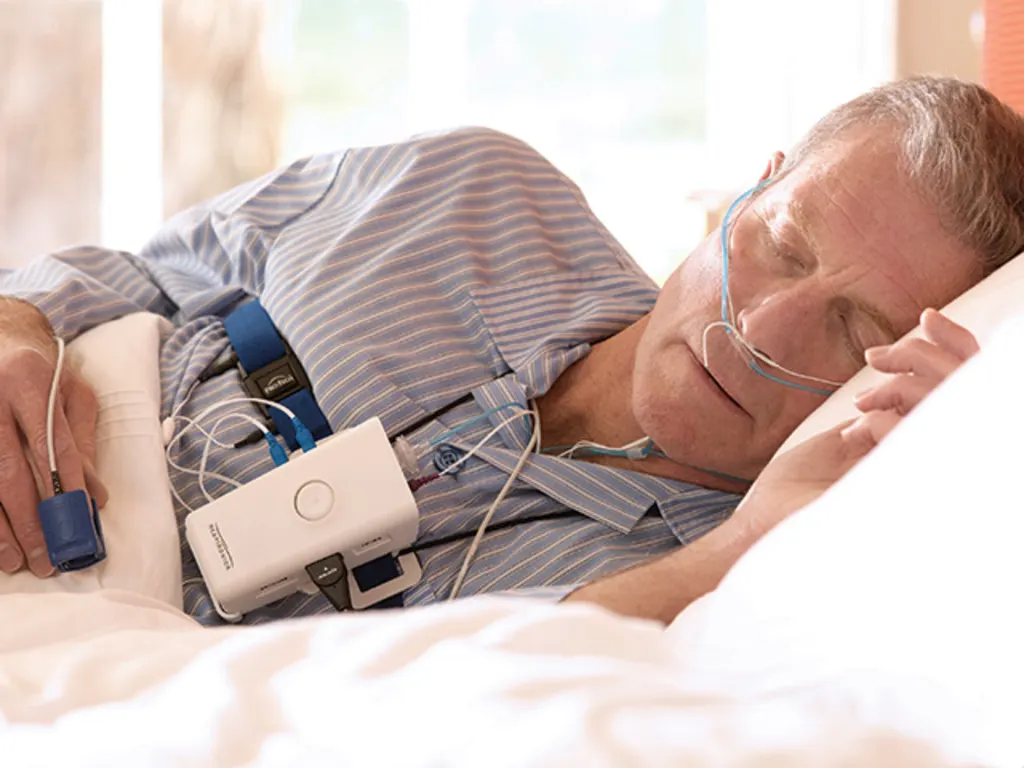
In Hobart, testing commonly includes home sleep apnoea tests and in-lab sleep studies (polysomnography). A home test typically measures breathing, oxygen levels, and heart rate overnight.
An in-lab study is more comprehensive and can measure brain activity, muscle tone, leg movements, and sleep stages. A GP or sleep physician usually recommends the right option based on symptoms, medical history, and whether other sleep disorders are possible.
How does a home sleep apnoea test work, and who is it for?
A home sleep apnoea test is usually done in their own bed using a small monitoring device. They typically wear sensors that track airflow, breathing effort, and oxygen saturation, then return the device for analysis.
Home testing often suits people with a strong likelihood of obstructive sleep apnoea and no complex medical conditions. It can be convenient, quicker to arrange, and more representative of a typical night’s sleep for some people.
When is an in-lab sleep study the better choice?
An in-lab sleep study is often better when symptoms are complicated, when home testing is inconclusive, or when they may have other sleep conditions. It may also be recommended for people with significant heart or lung disease, suspected central sleep apnoea, or unusual movements during sleep.
Because it records more signals, it can provide a clearer picture of sleep quality and other disruptions. For some, that extra detail is what leads to an accurate diagnosis and a more tailored treatment plan.
What happens before, during, and after the test?
Before the test, they will usually complete a sleep questionnaire and discuss symptoms with a GP or sleep specialist. They may be advised to avoid alcohol on the test night and to follow their usual sleep routine where possible.
During testing, sensors record breathing patterns and oxygen levels. Afterward, a clinician reviews results and explains the severity, often using the Apnoea-Hypopnoea Index (AHI), which counts breathing interruptions per hour. The next step is deciding on treatment that matches their results and preferences. Check out more about sleep apnea test Melbourne: how it helps prevent long-term risks.
What do the results mean, and how is severity measured?
Results typically describe how often breathing events happen and how low oxygen levels drop. The AHI is commonly used to grade severity as mild, moderate, or severe, although clinicians also consider symptoms and oxygen levels.
Two people with similar AHI scores can feel very different in daily life. That is why symptom impact, comorbidities, and risk factors matter alongside numbers when planning treatment.
What are the most common treatment options after diagnosis?
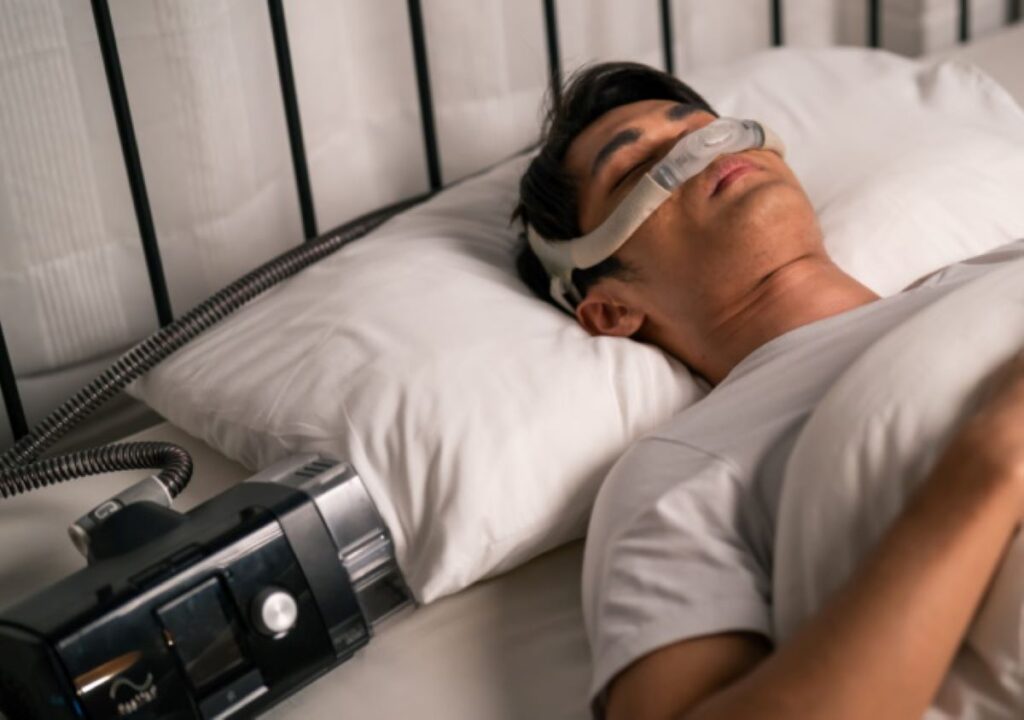
Treatment depends on the type and severity of sleep apnoea. For obstructive sleep apnoea, CPAP (continuous positive airway pressure) is commonly recommended and can be highly effective when used consistently.
Other options may include a mandibular advancement device (a custom mouthguard), positional therapy, weight management, reducing alcohol intake, treating nasal obstruction, or surgery in selected cases. The goal is to keep the airway open and restore deeper, more stable sleep.
How quickly can they feel better once treatment starts?
Many people notice improvements within days to a few weeks, especially in daytime sleepiness and morning headaches. Better sleep quality can also improve mood, concentration, and overall energy.
However, the timeline varies. If they have had symptoms for years, it may take longer to feel the full benefits, and they may need follow-up to adjust settings, mask fit, or treatment approach.
What should they do if they suspect sleep apnoea in Hobart?
They should start with a GP appointment and describe symptoms clearly, including snoring, witnessed breathing pauses, and daytime fatigue. If possible, they can bring notes from a partner or a short recording of snoring and gasping patterns.
From there, the GP can refer them for a sleep apnoea test in Hobart and help interpret next steps. The most important move is not to wait, especially if sleepiness is affecting safety, work performance, or health conditions like blood pressure.
FAQs (Frequently Asked Questions)
What is sleep apnoea and what causes it?
Sleep apnoea is a sleep disorder where breathing repeatedly stops or becomes very shallow during sleep. It occurs when the airway narrows or collapses (obstructive sleep apnoea) or when the brain’s breathing signals temporarily fail (central sleep apnoea). Factors influencing obstructive sleep apnoea include airway anatomy, weight, alcohol consumption, nasal blockage, ageing, and sleeping position.
What are the common signs that indicate I might need a sleep apnoea test in Hobart?
Common signs include loud snoring, choking or gasping during sleep, waking up unrefreshed despite a full night’s rest, daytime sleepiness, morning headaches, dry mouth, poor concentration, irritability, and reduced libido. Partners may notice loud snoring followed by silence and sudden snorts. If you have these symptoms, especially with high blood pressure or heart issues, consider consulting a GP about a sleep apnoea test in Hobart.
Why is early diagnosis of sleep apnoea important?
Early diagnosis is crucial because untreated sleep apnoea can lead to serious health risks such as high blood pressure, heart disease, stroke, type 2 diabetes, and accidents caused by tiredness. It also affects daily functioning due to fragmented sleep and oxygen drops. Identifying the condition early helps reduce these risks and prevents years of normalising constant fatigue.
What types of sleep apnoea tests are available in Hobart?
In Hobart, testing options include home sleep apnoea tests and in-lab sleep studies (polysomnography). Home tests measure breathing patterns, oxygen levels, and heart rate overnight using portable devices. In-lab studies are more comprehensive and assess brain activity, muscle tone, leg movements, and sleep stages. A GP or sleep specialist will recommend the most suitable test based on your symptoms and medical history.
How does a home sleep apnoea test work and who should consider it?
A home sleep apnoea test involves wearing small sensors overnight in your own bed to monitor airflow, breathing effort, and oxygen saturation. It’s ideal for individuals with a strong likelihood of obstructive sleep apnoea without complex medical conditions. Home testing is convenient, quicker to arrange, and can provide a realistic picture of typical sleep patterns.
When is an in-lab sleep study recommended over home testing?
An in-lab sleep study is recommended when symptoms are complex or unclear, if home testing results are inconclusive, or if other sleep disorders are suspected. It’s also advised for people with significant heart or lung diseases or suspected central sleep apnoea. The detailed data collected helps ensure an accurate diagnosis and personalised treatment plan.

Leave a Reply