The Ultimate Guide to Choosing a CPAP Mask for Effective Sleep Therapy
Navigating the world of sleep apnea treatment can be overwhelming, especially when your health and quality of sleep depend on a single piece of equipment: the CPAP mask. Whether you are a newly diagnosed patient in Australia or looking to upgrade your current setup, finding a mask that balances comfort with a perfect seal is the cornerstone of effective Continuous Positive Airway Pressure (CPAP) therapy.
In this comprehensive guide, we explore the nuances of selecting a CPAP mask online, understanding different interface designs, and optimizing your equipment for long-term health outcomes.
What is a CPAP Mask and Why Does It Matter?
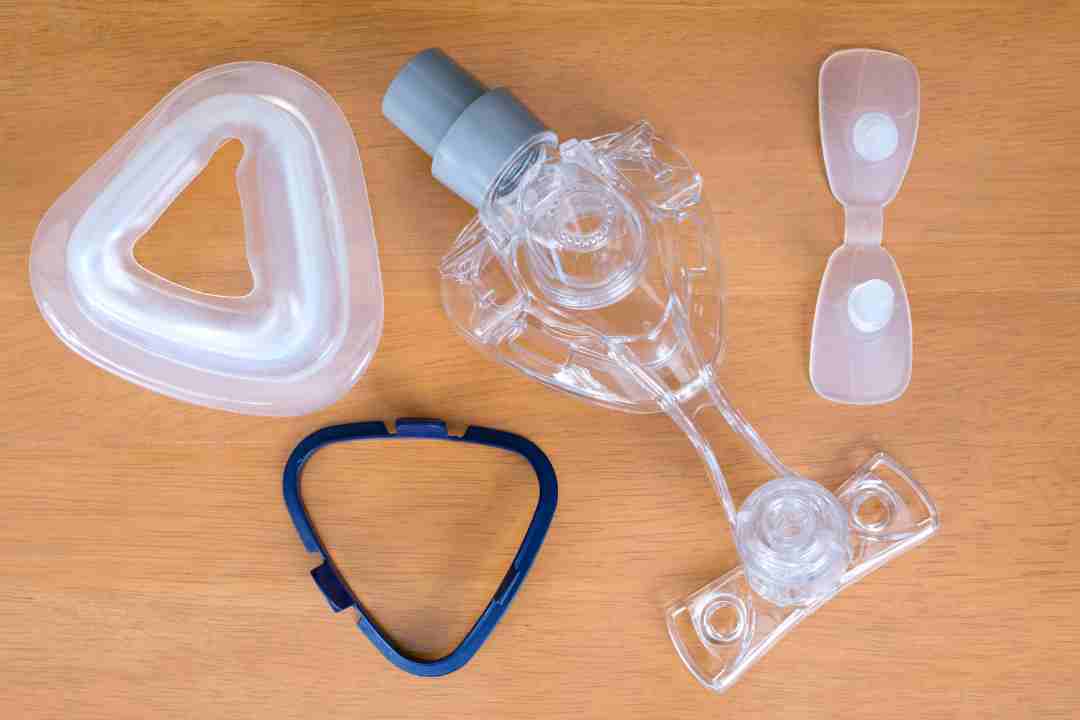
A CPAP mask is the interface between your sleep apnea machine and your airways. It delivers pressurized air through your nose or mouth, preventing your airway from collapsing during sleep.
In the Australian healthcare landscape, CPAP therapy is the “gold standard” for treating Obstructive Sleep Apnea (OSA). However, the effectiveness of the machine is entirely dependent on the mask’s ability to maintain a seal without causing skin irritation or discomfort.
The Impact of a Poor Fit
- Leakage: Air escaping the mask reduces the pressure delivered to your lungs.
- Non-compliance: Patients often quit therapy if the mask is uncomfortable.
- Side Effects: Dry eyes, skin sores, and morning headaches are common signs of an ill-fitting interface.
Core Types of CPAP Masks Available in Australia
Understanding the structural differences between masks helps you narrow down your search when browsing for a CPAP mask online.
1. Full Face Masks
These cover both the nose and the mouth. They are ideal for “mouth breathers” or those who suffer from frequent nasal congestion or allergies.
- Best for: High-pressure settings and those with deviated septums.
- Pros: Prevents mouth leak; stable during position changes.
2. Nasal Masks
A nasal mask fits over the nose only, ranging from the bridge to the upper lip.
- Best for: Patients who move around in their sleep.
- Pros: More natural airflow sensation; less bulky than full-face options.
3. Nasal Pillow Masks
These are the most minimalist designs, featuring small silicone “pillows” that rest at the entrance of the nostrils.
- Best for: Side sleepers and those who feel claustrophobic.
- Pros: Minimal contact with the face; great for users with facial hair.
How to Choose the Right CPAP Mask Online
Buying a CPAP mask online in Australia offers convenience and competitive pricing, but it requires a strategic approach to ensure you get the right fit without a physical fitting.
Step 1: Identify Your Breathing Style
Do you breathe through your nose, your mouth, or both? If you wake up with a dry mouth, you likely need a full-face mask or a chin strap with a nasal mask.
Step 2: Consider Your Sleeping Position
- Side Sleepers: Need low-profile masks (nasal pillows) to prevent the pillow from dislodging the seal.
- Back Sleepers: Can generally use any mask type effectively.
- Stomach Sleepers: Require very secure, front-tube designs.
Step 3: Check Sizing Guides
Most reputable Australian retailers provide printable sizing templates. Use these to measure the width of your nose and the distance from your nasal bridge to your chin.
| Mask Type | Best User Profile | Key Feature |
| Full Face | Mouth breathers, high pressure | Secure seal |
| Nasal | Active sleepers, nose breathers | Versatility |
| Nasal Pillow | Claustrophobic users, beard owners | Minimalist |
Benefits of Premium CPAP Mask Technology
Investing in a high-quality CPAP mask provides more than just a comfortable night—it ensures clinical efficacy.
- Advanced Diffusion: Modern masks feature quiet exhalation ports that direct air away from your partner.
- Modular Frames: Many brands now use universal frames that allow you to swap between nasal and full-face cushions.
- Skin-Friendly Materials: Medical-grade silicone and fabric wraps reduce the risk of “mask acne” and pressure sores.
Step-by-Step Guide to Fitting Your New Mask
Once your CPAP mask arrives, follow this protocol to ensure a leak-free experience:
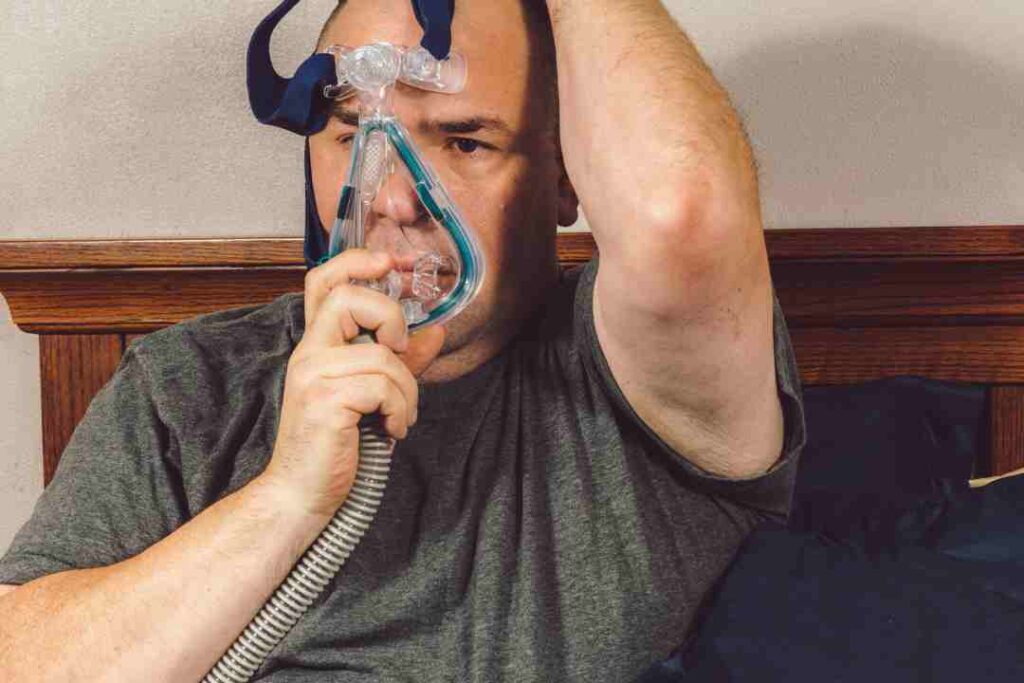
- Loosen all straps: Start with a loose fit and place the mask on your face while sitting up.
- Lie down: Your facial muscles change shape when you lie down. Always do the final adjustment in your sleeping position.
- Turn on the machine: Adjust the straps only enough to stop leaks. Over-tightening is a common mistake that leads to pain.
- Pull and Reset: If you feel a leak, gently pull the mask away from your face and let it “reseat” itself.
Best Practices for Mask Maintenance
To ensure your equipment remains hygienic and functional in the Australian climate, follow these expert tips:
- Daily Clean: Wipe the silicone cushion with a damp cloth or specialized mask wipe to remove skin oils.
- Weekly Soak: Wash the headgear and frame in warm, soapy water (use mild, non-scented detergent).
- Replacement Schedule: In Australia, it is recommended to replace your mask cushion every 3–6 months and the entire mask system every 12 months.
- Avoid Chemicals: Never use bleach, alcohol, or moisturising soaps, as these break down the silicone.
Common Mistakes When Buying a CPAP Mask
- Buying Based on Price Alone: A cheap mask that leaks is more expensive in the long run due to poor health outcomes.
- Ignoring the Headgear: The straps are just as important as the cushion. Ensure they are adjustable and breathable.
- Assuming One Size Fits All: Even “Standard” sizes vary significantly between brands like ResMed, Fisher & Paykel, and Philips.
Frequently Asked Questions (FAQ)
How often should I replace my CPAP mask?
For optimal hygiene and seal performance, cushions should be replaced every 3-6 months, while the full mask and headgear should be replaced annually.
Can I use a different brand of mask with my CPAP machine?
Yes. Most CPAP hoses and machines use a standard 22mm connection, meaning you can use a ResMed mask with a Fisher & Paykel machine, for example.
Why is my CPAP mask whistling?
Whistling usually indicates a small air leak or a blocked exhalation port. Check for cracks in the cushion or moisture build-up in the vents.
What should I do if my mask is causing skin irritation?
Ensure you are cleaning the mask daily to remove oils. If irritation persists, consider a mask liner or a nasal pillow mask which has less surface contact.
Is it safe to buy a CPAP mask online in Australia?
Yes, provided you purchase from a reputable Australian supplier that offers warranties and clear return policies for manufacturing defects.
Does facial hair affect my CPAP mask seal?
Yes. Beards can cause leaks in nasal and full-face masks. Men with facial hair often find the best success with nasal pillow masks.
Conclusion: Achieving Sleep Success
Finding the right CPAP mask is a journey of trial and error, but it is the most critical step in managing sleep apnea. By understanding your breathing habits and utilizing sizing guides when shopping for a CPAP mask online, you can significantly improve your therapy compliance and overall quality of life.

Leave a Reply